
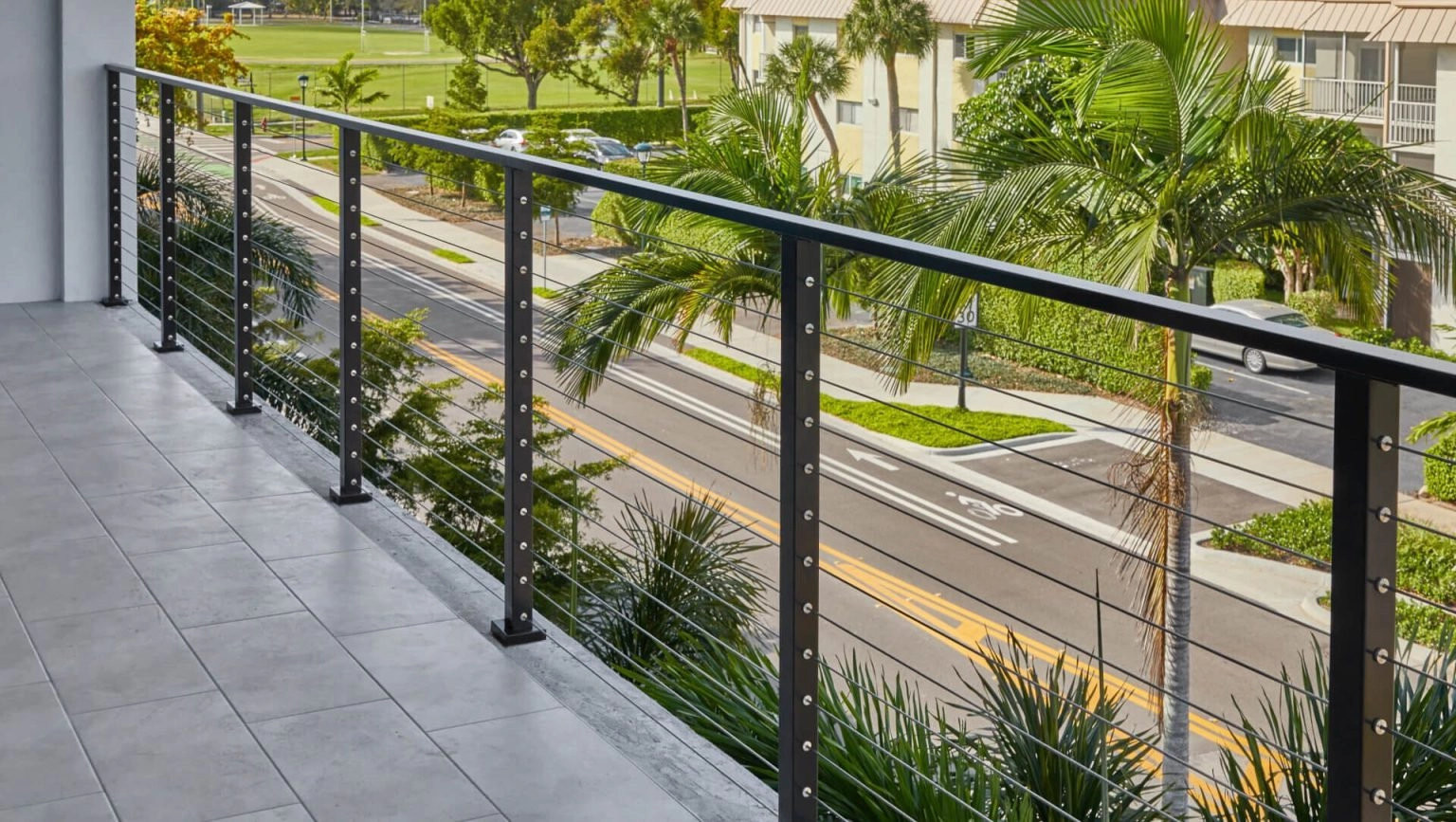
What is cable railing and why has it become popular?
To compare new cable railing models, ask for the real differences in the parts. The connection shape, adjustment accessibility, and cable replacement are more important than the name of a new model or its promotional photo.
New cable railing is actually a railing system that uses durable steel cables to build its structure. This type of railing is usually simple and beautiful in design, making your space more modern and safer. One of the reasons for its popularity is its high strength and the beautiful appearance it gives to the surrounding environment. These railings are an excellent option for use in outdoor spaces such as balconies, staircases, terraces and even gardens due to their resistance to various weather conditions. New cable railings have become a popular choice for various spaces. With their modern design and diverse applications, this type of railing has been able to find a special place in architectural, landscaping and interior design projects. But what makes cable railing different from other railings? In this article, we will examine all aspects of this type of railing, from its advantages and disadvantages to how to install and care for it.
History and evolution of new cable railing
New cable railing has entered the world of architecture since the past decades and has gradually evolved to become one of the popular choices. The use of steel cables as a strong and lightweight material has created a great revolution in the railing industry. Today, new cable railings are known as a modern and practical option that is used in various spaces. New cable railing has undergone significant changes over the years and has become one of the prominent choices in the world of architecture and design. Let's examine the history and evolution of this type of railing. Cable railings were first introduced in the middle decades of the twentieth century. However, the widespread use of this type of railing in modern architectural design, especially in outdoor spaces, began in the last few decades. Before that, traditional railings were made of various materials such as wood, stone, brick and heavy metals. These railings were often bulky and heavy, and had many design limitations. But with the advancement of the industry and the use of lighter and more resistant materials, cable railings entered the world of design. The idea of using steel cables as the main component of railings was first proposed by engineers and architects who were looking for a way to design railings with high strength and at the same time more elegance.
Choosing a tension system
| Topic | Required information | Purpose of the study |
|---|---|---|
| Route and change of direction | Length of openings and location of corners | Possibility of positioning, connection and adjustment |
| frame and harness | Material of the load-bearing member and base details | Coordination of cable and supporting structure |
| Operation | Site use and access for inspection | Choosing an arrangement that suits the users |
Adapt the specifications to the actual conditions of the site and clarify the items of construction, transportation, installation and finishing work in the price quote.
Learn more: Cable railing, Cable railing connections
First uses and gradual evolution
The first examples of cable railing were usually used in large industrial and construction projects, where high strength and resistance to extreme weather conditions were required. These railings were often used in bridges, towers and similar structures. In these projects, the main goal was to maintain the safety and proper functioning of the structures. In the 80s and 90s, with the advancement of technology and the production of better and more resistant steel cables, cable railings began to spread in the residential and commercial architectural sectors. These railings had features such as lightness, strength and greater transparency than traditional railings and significantly changed the appearance of spaces.
Cable railing in the modern world
Today, cable railing has become one of the main components of modern architecture. Designers and architects use these railings because of their design flexibility, special beauty and high security. Cable railings are used in spaces such as balconies, terraces, staircases and even in the design of courtyards and gardens. In contemporary designs, cable railings are known as an aesthetic element that can divide open spaces in a subtle yet safe way. These railings are especially ideal for projects that seek to create a minimalist and transparent look.
Future developments of cable railings
With new developments in the steel and resistant materials industry, especially in the field of stainless steel and advanced alloys, cable railings are expected to become even more resistant and durable in the future. Also, more advanced designs and innovative connection systems can allow these railings to be used in a variety of more complex spaces. As a result, cable railing has not only evolved technically and structurally, but has also become an essential part of the modern architectural world, combining beauty, security, and functionality.
Main components of new cable railing
To understand how cable railing works, we need to familiarize ourselves with its components. These railings are made up of three main parts: cables, bases, and connectors.
Cables: the heart of cable railing
Steel cables installed horizontally or vertically form the basis of the new cable railing. Due to their high strength and elegance, these cables can withstand heavy loads while creating a stylish and modern look.
Bases and connectors: Reinforcing supports
Cable railing bases and connectors are made of durable metals such as stainless steel. These components play the role of holding and stabilizing the cables and making the railing more sturdy.
Cables: the heart of the new cable railing
Cables are the main and vital element in cable railing. These cables are usually made of stainless steel, which makes them highly resistant and durable against corrosion, rust and weather changes. Cables are mainly made of two different thicknesses:
- Thin cables: These types of cables are used for projects that require less strength and want to give the space a more open appearance.
- Thick cables: These cables are used for high-strength fences and projects that require more weight. These types of cables can withstand more pressure and load and are also more suitable for use in public or industrial spaces.
Steel cables are placed horizontally or vertically in cable railing and can be spaced at different distances depending on the design. These cables are responsible for the main function of bearing pressure and strengthening the railing structure, as well as giving the space a stylish and minimalist look.
Bases and connectors: Reinforcing supports
The features of these components are:
- Bases: The bases are usually attached vertically or horizontally to the desired surface (such as a wall, floor or ceiling). These bases act as the start and end points for the cables and are used to hold and stretch the cables.
- Connections: Cable railing fittings are used to join cables together and secure them. These fittings may include clamps, hooks, or special systems that securely attach the cables to the posts. Some fittings may be designed to adjust the tension of the cables to ensure that the railing operates properly and without slipping.
Overall, the supports and connections simultaneously serve to support the cables and create a strong and safe structure. These parts must be made of high-quality materials to effectively withstand pressure and environmental changes.
Cables, bases and connectors in harmony with each other
The correct and harmonious cooperation of these three parts (cables, bases and connectors) is what allows the new cable railing to offer its unique features such as strength, beauty and long life. The correct design and selection of quality materials in each of these components has a direct impact on the overall performance and durability of the railing. Also, these components are constantly affected by various environmental conditions such as sunlight, humidity and temperature, which is why the use of resistant and rust-proof materials is very important. These features have made cable railing used in many architectural and design projects and become a desirable option for designers and builders.
Benefits of using new cable railings
Using cable railing in various projects has many advantages that have made this type of railing a popular option.
Beauty and modern design

New cable fences can add beauty to your space due to their simple and minimalist design. These railings can easily match any decor style and create a modern and stylish look.
More security compared to traditional railings
The new cable railing is an excellent option, especially for spaces where safety is important, such as terraces and balconies. These railings prevent falls well, while keeping the space open and transparent.
Resistance to different environmental conditions
One of the outstanding features of the new cable railing is its resistance to temperature and humidity changes. The steel cables of these railings are easily resistant to rust and corrosion, and therefore can perform well outdoors.
Suitable for different spaces
Cable railing can be installed in various environments, including indoor and outdoor spaces, due to its flexible design and special capabilities. From urban balconies to green spaces and gardens, these railings are an excellent option for creating boundaries and privacy.
Use in indoor and outdoor environments
One of the interesting features of the new cable railing is its ability to be used both indoors and outdoors. In indoor environments, it can be used to create separation or beautify the space, while in outdoor environments it is used as a weather-resistant and beautiful railing.
Cable railing in modern architecture and interior design
In the world of modern architecture, new cable railings have been considered as a design element. These railings can be used in the design of staircases, balconies and even interior walls, giving your space a minimalist and modern look.
Cable railing in landscaping and gardens
The new cable railing is also very popular in garden and outdoor design due to its transparent and light appearance. These fences can easily add beauty and security to outdoor design.
Cost-effectiveness of cable railings
The new cable railing has many advantages compared to other types of railings, such as wooden or metal railings. Among them, due to the use of lightweight yet resistant materials, its installation and maintenance costs are lower than traditional railings.
How to install new cable railing
Installing new cable railing requires precision and the right tools. In this section, we will review the installation steps and tips for installing these railings.
Steps to install a new cable railing
To install cable railing, first an accurate measurement of the desired space must be made. Then, the bases and connectors are installed, and the cables are properly stretched and fixed. Finally, the cable railing must be thoroughly inspected to ensure its strength.
Tools and equipment needed to install cable railing
To install cable railing, special tools such as drills, wrenches, screwdrivers and cable tensioning tools are required. Using high-quality equipment can help make the installation more precise and easier.
Maintaining and caring for new cable railing
Cable railing does not require special care due to its resistant material, but it must be cleaned and maintained regularly to maintain its beauty and functionality.
How to clean and care for your new cable railing?
To clean the cable railing, simply wipe the cables and supports with a soft, damp cloth. Avoid using harsh chemicals to avoid damaging the surface of the railing.
Replacing damaged cables and components
If the cables or connections are damaged, it is best to replace them immediately to prevent the safety of the fence from being compromised. Replacing the cables is not a complicated process and can be done with a little care.
Comparison of new cable railing with other railings
New cable railing has many advantages compared to wooden and metal railings.
The new cable railing versus wooden and metal railings
Cable fences have a more modern and elegant design than wooden and metal fences. They are also more resistant to weather conditions and do not require easy maintenance.
Advantages of cable railing in terms of aesthetics and functionality
The new cable railing can decorate your space in a subtle and stylish way due to its flexibility in design, while at the same time offering excellent performance in terms of safety and resistance.
Choosing the best new cable railing for your project
To choose the right cable railing, you need to pay attention to various factors such as the type of cable, the material of the supports and the specific needs of your project. In this section, we will discuss the important points in choosing cable railing.How to choose the right new cable railing?When choosing this railing, it is very important to pay attention to the quality of the raw materials, the strength of the structure, and the beauty of the design. Also, choosing a railing that is in harmony with the surrounding environment can have a great impact on improving the final appearance of the space.
Things to consider when buying new cable railing
When purchasing cable railing, there are several important factors that can greatly affect the performance, aesthetics, and durability of your railing. Paying attention to these points will help you make the right choice for your project. Below, we will examine the most important of these points:
1. Cable strength and durability
Cables are the heart of the new cable railing, so the first thing you should pay attention to is their strength and durability. Cables should be made of stainless steel or alloys with high resistance to corrosion and weather changes. Especially if your cable railing is going to be installed outdoors, resistance to moisture, rain and direct sunlight is very important. For cable railings in industrial spaces or areas with more severe weather conditions, thicker and more resistant cables are recommended.
2. Type and quality of bases and connections
The bases and fittings should be made of high-quality materials to keep the cable railing structure strong. Usually, the bases and fittings are made of stainless steel or similar alloys that are resistant to pressure, corrosion, and environmental damage. It is also important to pay attention to the design of the fittings; some fittings can adjust the tension of the cables to ensure a precise and tight installation.
3. Design and appearance that harmonizes with your environment
Cable railing doubles the beauty of the space with its simple and minimalist design. When buying, you should pay attention to the design of the railing so that it matches the style and decoration of your space. Especially in modern architectural projects, cable railings should be chosen in a way that makes your space appear open and transparent.
4. Distance between cables
Another important point in choosing a cable railing is the distance between the cables. This distance must be carefully adjusted to be both aesthetically pleasing and safe. Too much distance between the cables can cause weakness in the strength of the railing, while too little distance may also cause limited visibility or lack of aesthetics in the design.
5. Easy installation and maintenance
New cable fences should be easy to install. When buying, ask the fence seller or supplier how time-consuming and complicated the installation of the fence is and whether special tools or accessories are required for installation. Also, cable fences should be easy to maintain and easy to clean and repair. This is especially important for commercial projects or high-traffic environments.
6. Safety standards
The new cable railing must meet the necessary safety standards. Check whether the railing fully enhances the safety of people, especially if it is to be installed in places where people will be in direct contact with it (such as balconies or staircases). Also, make sure that the cables are firmly and stably in place to avoid potential dangers.
7. Budget and costs
New cable railings usually have a higher price than traditional railings (wooden or metal), but this extra cost can be offset by long-term benefits such as high durability and low maintenance requirements. Before buying, determine your budget and choose the best option by comparing prices and features. In general, the cost of installing and maintaining cable railings is lower than traditional railings, but you should also consider the initial price and the lifespan of the product.
8. Warranty and support
When buying new cable railing, pay attention to the warranty and product support conditions. Many cable railing sellers offer long-term warranties that can give you peace of mind about the quality and durability of the product. These warranties are especially important in the event of technical problems or future breakdowns.
9. Compatibility with the environment and conditions Weather
Cable railings should be selected according to the climatic conditions and geographical environment of the installation site. If you live in an area with high humidity, heavy rainfall, or even cold and frosty conditions, you should use railings that are resistant to these conditions. Choosing high-quality, rust-proof materials can help the railing last longer in such conditions.
10. Variety in color and material selection
If you need a railing in a specific color or a different material for your project, pay attention to whether your cable railing manufacturer or supplier offers such options. Many brands allow you to choose different colors for the cables and bases, which can help the railing better match the surrounding environment.
With these tips in mind, you can choose a new cable railing that is both technically and aesthetically compatible with your project needs. This choice can help improve the security, beauty, and durability of your space, and provide you with a satisfying experience using cable railings.
Short answer about new cable railing
Cable diameter and construction, post spacing, end connections and tension control must be considered together. Supporting structure and user safety, particularly the climbability of horizontal cables for children, influence system selection.