

New stainless steel stair railings: design and performance
A new stainless steel railing design does not establish its technical specification. When comparing classic and modern options, request corner connection details, handrail continuity and component specifications alongside the overall image.
Staircases connect levels in public and private buildings and play an important role in safe circulation. Choosing a suitable railing is a key interior and exterior design decision, affecting safety, function and appearance. Contemporary stainless steel stair railings are a popular choice for designers and building owners because of their durability, modern appearance and straightforward maintenance.
Features of contemporary stainless steel stair railings
Strength and durability: Stainless steel is widely used for railings because of its resistance to corrosion and rust. Selecting a suitable grade is particularly important in humid locations or those exposed to substantial temperature changes.
Flexible design: Contemporary stainless steel railings can be customised in different styles. This allows designers to coordinate them with the building’s overall architecture and enhance its visual character.
Comparable specifications stainless steel railing
Topic Required information Purpose of review Material Grade and actual thickness of parts Differentiate similar appearance from similar specifications Finish Surface type and maintenance method Sample and delivered product coordination Installation Connection details and service scope Comparison of the same construction and installation costs Adapt the specifications to the actual conditions of the site and clarify the items of construction, transportation, installation and finishing work in the price quote.
Learn more: What is stainless steel railing?, Stainless stair railing installation tips
Easy maintenance: Stainless steel generally needs less maintenance than timber or painted iron alternatives. Its smooth surface makes regular cleaning and care straightforward.
Recyclability: Stainless steel is fully recyclable, making material recovery an advantage for projects that prioritise environmental considerations.
Safety: Appropriate design and good-quality materials help stainless steel railings protect staircase users. The system should provide fall protection and meet the applicable safety requirements.

Benefits of contemporary stainless steel stair railings
Stainless steel stair railings offer several advantages that make them a common choice in contemporary design and construction.
Appearance and versatility: With a clean, polished appearance, stainless steel railings can complement a wide range of interiors and exteriors, from residential to commercial and industrial buildings.
Long service life: Durability is one of stainless steel railing’s main benefits. A suitable system can resist environmental exposure and remain in service for a long time without frequent replacement.
Heat resistance: Stainless steel has a high melting point and can offer advantages where resistance to elevated temperatures is relevant to the building’s safety design.
Stainless steel stair railing designs
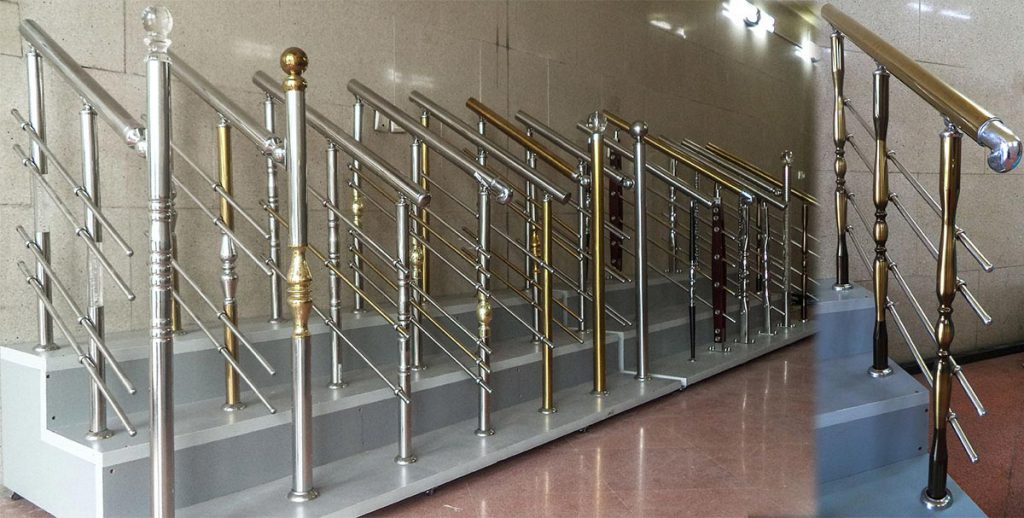
Stainless steel railings can be manufactured in many styles and customised to project requirements and client preferences. Common options include:
Classical railings
Traditional detailing and more intricate patterns suit classical interiors, adding a sense of craftsmanship and established character.
Modern railings
Clean, minimalist stainless steel designs complement contemporary spaces. Straight, balanced lines and simple forms create a restrained, modern appearance.
Mixed-material railings
Combining stainless steel with glass or wood offers a varied yet coordinated appearance. This approach is often used in creative interiors and bespoke architectural projects.
Installing stainless steel stair railings
Installation involves planning, design, fabrication, site work and final checks, all carried out carefully and according to the applicable safety requirements.
Planning and design: Measure the staircase accurately and review the project’s specific requirements before finalising the railing design, materials, colour and style.
Preparation and fabrication: Manufacture the railings to the agreed dimensions and specifications. Stainless steel fabrication includes cutting, welding and final surface finishing.
Railing installation: Installation requires specialist skills and equipment. Experienced installers use suitable tools to attach the railing to the staircase structure and check compliance with the specified safety requirements.
Final inspection and completion: Inspect every component after installation to check positioning and structural stability. Correct defects and errors before handover.
Stainless steel railing maintenance and service life
Stainless steel railings generally require less maintenance than many alternative construction materials. The following practices help preserve their appearance and extend their service life.
Regular cleaning: Remove dust and marks using a soft, damp cloth. Suitable stainless steel cleaners can help preserve the finish and avoid dullness or scratches.
Avoiding scratches: Prevent sharp or hard objects from striking or scraping the railing surface.
Periodic inspection: Inspect all components regularly for damage or defects, and repair or replace parts where necessary.
Comparing stainless steel stair railings with other materials
| Features | Stainless steel railing | Timber railing | Iron railing | Glass railing |
|---|---|---|---|---|
| Service life | High | Medium | High | Medium |
| Maintenance | Low maintenance requirements | High maintenance requirements | Frequent maintenance required | Moderate maintenance requirements |
| Corrosion resistance | Very high | Low | Resistant with a suitable protective coating | Relatively high |
| Appearance | Modern and polished | Warm and natural | Classical and substantial | Transparent and contemporary |
| Price | Medium to high | Medium | Low | High |
Conclusion
Contemporary stainless steel stair railings combine strength, appearance and manageable maintenance, making them suitable for many building types. A range of designs allows them to meet different architectural needs while improving protection and visual character in homes and offices. Thoughtful selection and detailing help architects realise creative ideas with a balance of appearance and practical performance.
Quick answer: new stainless steel stair railing designs
Alloy grade, surface finish, connection details and environmental conditions affect railing performance. Before ordering, document the alloy specification, dimensions, supporting structure and installation scope. Compare quotations on the basis of equivalent specifications and services.