

See the stainless steel railing images to choose the appearance and ask for technical specifications separately. The grade, thickness and method of restraint in the photo are not definitely recognized.
Aris Nardeh draws on its experience and technical knowledge to meet customer requirements. Stainless steel railing is one of its main products and services. Installed on staircases to protect people as they move between levels, it has characteristics that distinguish it from iron, timber, brick, glass and other railing materials.
Features of stainless steel railings
Stainless steel railing alloys differ in nickel content, which also affects price. Lower nickel content can change corrosion performance; some lower-cost grades use more manganese in their composition. A protective passive layer helps stainless steel resist oxidation and corrosion. Its characteristics compared with other railing materials include:
Comparable specifications stainless steel railing
| Topic | Required information | Purpose of the study |
|---|---|---|
| Materials | Grade and actual thickness of parts | Differentiate similar appearance from similar specifications |
| Finish | Surface type and maintenance method | Sample and delivered product coordination |
| Installation | Connection details and service scope | Comparison of the same construction and installation costs |
Adapt the specifications to the actual conditions of the site and clarify the items of construction, transportation, installation and finishing work in the price quote.
Learn more: What is stainless steel railing?, Stainless stair railing installation tips
- Resistance to rust and deterioration
- An attractive architectural appearance
- Corrosion resistance compared with unprotected iron
- Resistance to elevated temperatures and heat
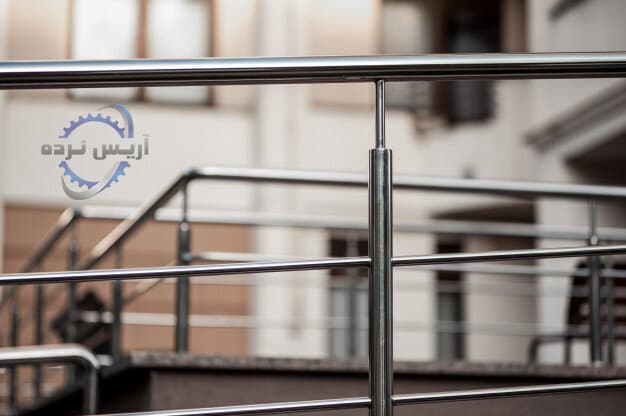
Applications of stainless steel railings
Stainless steel stair railings were originally used primarily to protect people. Advances in design and manufacturing have expanded their role to include both protection in different settings and architectural decoration. Stainless steel has become a widely used industrial material. Its railing applications include:
- Providing protection for people using stairs.
- Enhancing the appearance of the surrounding space.
Stainless steel railing prices
Stainless steel railing prices vary with the alloy grade, post design, and number and arrangement of infill members. Prices are calculated per linear metre. Two common grades on the market are: 1. Grade 201 stainless steel; 2. Grade 304 stainless steel.
Grade 304 generally costs more than grade 201. Balcony and stair railing prices also differ because balcony barriers are typically taller. Colour and finish influence cost as well. Material price fluctuations mean an accurate quotation requires current project specifications.
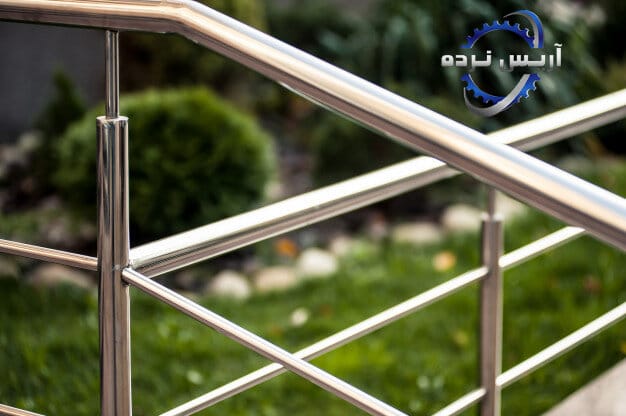
Comparing grades 304 and 201 stainless steel
Grade 304 railings usually cost more than grade 201 because of differences in composition and durability. The source describes 304 as containing approximately 8% nickel, giving it greater corrosion resistance than 201. Grade 201 uses less nickel and more manganese, making it a lower-cost alternative. The source recommends 304 for balconies, exterior stairs and more humid locations, and presents 201 as an option for interior staircases.
Quick answer: stainless steel railing
Alloy grade, surface finish, connection details and environmental conditions affect railing performance. Before ordering, document the alloy specification, dimensions, supporting structure and installation scope. Compare quotations on the basis of equivalent specifications and services.