
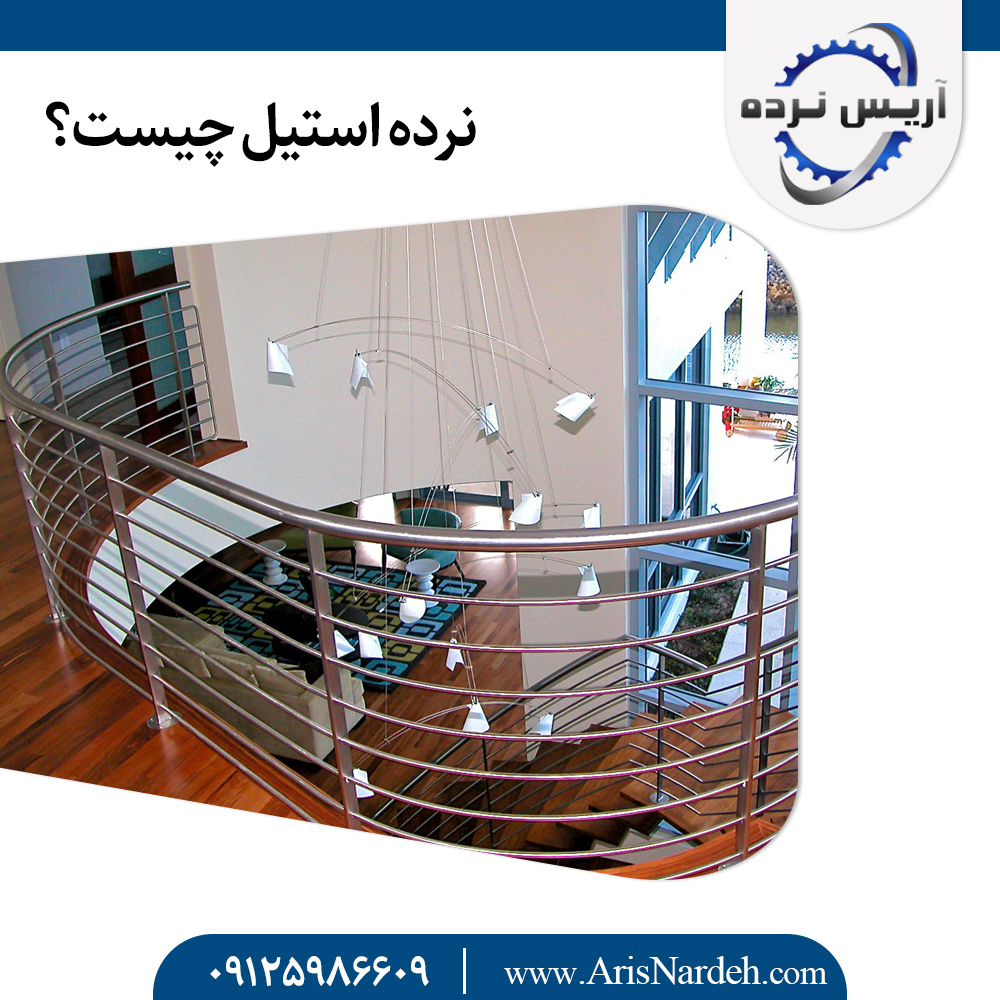
Taking a brief look at the design of buildings, especially at the points of the building that need to define boundaries, prevent entry, or prevent falls, we see that in many of these points, depending on the design style, metal railings are installed. In general, due to the characteristics mentioned below, the main alloy used in these railings is stainless steel, which is also known as stainless steel. In the following, we intend to examine some issues related to these railings. For example, what is the purpose of stainless steel railings or what basic characteristics should stainless steel railings have. Before going into more detailed issues, we need to have a correct definition of a structure called a railing, in other words, what is the definition of a railing? A railing plays the role of a barrier made of wooden or metal bars. Bars that are connected to another metal bar or a main wooden beam that plays the role of a supporting structure. It is true that there are countless alloys and materials for making railings, but most builders, designers and architects prefer stainless steel. This alloy has advantages over other alloys, which has made this metal popular and popular.Stainless steel railing It is a metal structure that is used as a physical barrier to protect and separate spaces. This type of railing is made of stainless steel, which gives it high durability and resistance to external factors such as moisture, heat, impact and corrosion.
Why is stainless steel railing so popular?
Stainless steel railings are used in many public and commercial places for the following reasons:Security: Installing stainless steel railings around stairs, balconies, corridors and public areas helps people prevent falls and accidents. Creative and decorative designs installed in steel railings help to decorate and attract attention to the interior and exterior of the building.Top view: Using stainless steel railings with open patterns, it affects the open space and provides a higher view of the surrounding space. This type of installation makes the view and landscape clear in the desired area such as parks, protected fences and high-level restaurants. Stainless steel railing is one of the most popular and widely used types of railings in the construction industry. This type of railing is used in many areas, especially in outdoor environments, due to its unique features.Areas with Wet Climates: One of the important factors in choosing a steel railing is its resistance to moisture. Therefore, in areas with a humid climate where contact with water and humidity is higher, Installing stainless steel railing Recommended. In addition, the use of stainless steel versions indicates the ability to respond to higher humidity conditions.Coastal locations: Coastal areas that are affected by contact with salt water have their own challenges. Stainless steel versions are among the budget-friendly options available in these areas due to their higher resistance to corrosion and rust. Stainless steel railing is one of the important components in buildings and outdoor spaces that, in addition to playing a beautifying role, also has a protective and security role. The use of stainless steel railing in buildings is done for various reasons such as high corrosion resistance, load and pressure bearing capacity, long life and beautiful appearance. Stainless steel railing is produced from stainless steel. Stainless steel has such unique and widely used properties that have made it known as a suitable option in the construction industry. Stainless steel is made up of various compounds, but generally consists of chromium-nickel-iron steel. The presence of chromium in steel causes the formation of a rust layer on the surface of the steel, which prevents the effect of external air on the steel and also absorbs moisture and corrosion. Also, the presence of nickel in steel adds to its ability to form a core of integrity.
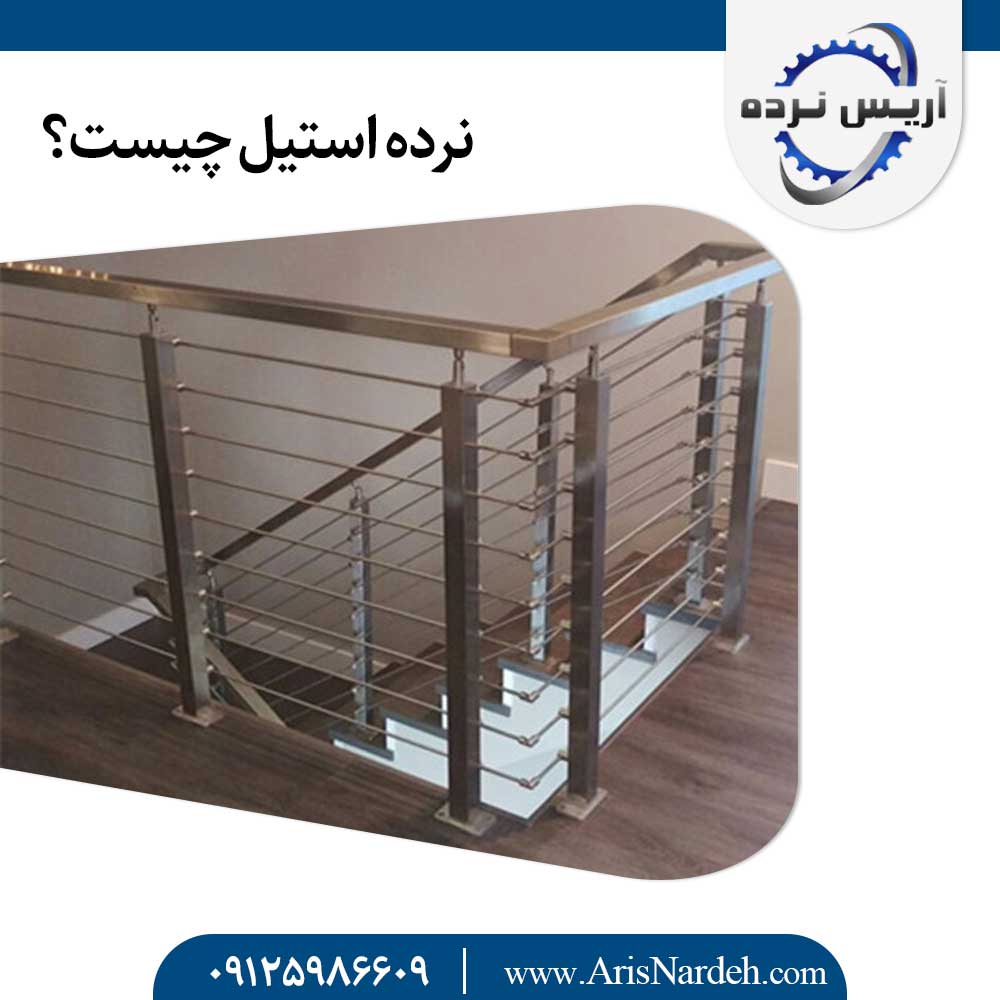
Stainless steel railing is used in staircases, balconies and some window guards. In each application, the function of the assembly and the method of connection are important; it is not possible to conclude from the stainless steel material alone, safety or a certain capacity for the railing. A similar appearance is also not the reason for the same thickness and quality of construction of two products.
Why steel railings?
Steel railing is a simple protective system made of metal rods or pipes and is generally used to prevent people from falling or to block their access to dangerous or prohibited areas. Stainless steel railing can be used in a variety of areas, for example along staircases, balconies, ladders and other areas where people's safety is vital. Stainless steel railing is a popular and sought-after choice due to its high durability, strength and versatile design.
What is the advantage of stainless steel railing?
One of the main advantages of stainless steel railing is its beauty. Stainless steel railing is offered in a variety of styles, colors and designs to match architectural and aesthetic needs. This railing can also be custom-made to match any space, making stainless steel railing a versatile and attractive option for any interior or exterior space. Another strength of stainless steel railing is its strength and durability. Stainless steel is a strong and durable material that can withstand heavy weight and pressure. It can also resist corrosion and rust, making it a long-lasting and low-wear option. Steel railings can also be designed to be adjustable based on the user's needs. In addition to beauty and strength, stainless steel railing is also known for meeting safety needs. This railing can create a high sense of security for both residents and property owners. Stainless steel is easy to clean and continues to shine due to its physical properties (polished). It is worth noting that this polish and shine, along with durability, are inherent in the material of this alloy. So, you can use this type of railing in high-traffic areas with peace of mind.
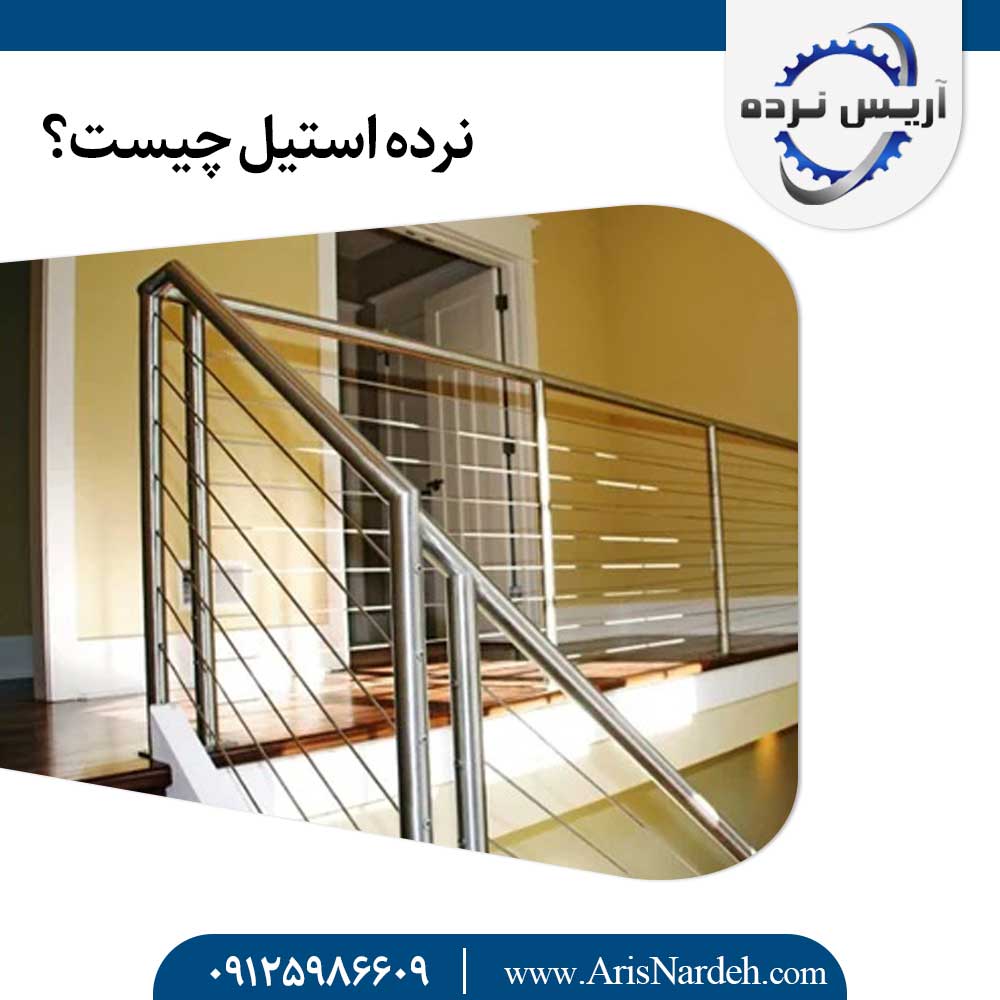
One of the best, most attractive and best-selling types of railing is stainless steel railing, which is one of the newest types of railing used in interior decoration and is widely used. Stainless steel railings are so beautiful that they fascinate every customer and seller. Over the past years, stainless steel railings have gained a very important place in interior designs and are especially welcomed by people and replace Iron railingsand aluminum
Types of stainless steel railing
To compare railing models, separate two topics: Material grade and Arrangement of railing components. Names like 201, 304, and 316 refer to the alloy family; terms like tri-bar, base, or glass-steel describe the shape of the system.
Do not rank grades solely by price or nickel percentage. The installation environment, maintenance, section of the part and connection details should be examined together. The claim that stainless steel remains stable at a temperature of 8000 degrees or that a grade is suitable for all conditions is not the basis for choosing a building railing.
When comparing painted iron or aluminum, don't just look at the first day appearance; also consider the finish, cleanability, corrosion conditions, repairability and maintenance costs.
Supplementary study: Stainless steel railing three lines
Which specifications should we consider the same when comparing railings?
| Criteria | What is visible | What should be written |
|---|---|---|
| Finish | Matte or glossy | Type of finish and maintenance method |
| Piece | Pipe diameter | Grade, diameter and wall thickness |
| Connection | Base cover and appearance | Details of the harness and installation area |
Don't just ask the seller for photos; get the specifications of the parts and installation services so that two models with similar appearance can be compared fairly.
Stainless steel railing production steps
The production of stainless steel railing in Iran is a complex process that requires expertise and experience. In this article, I will briefly explain to you how to produce stainless steel railing in Iran.
- Design and planning: First of all, designers and architects must prepare a detailed plan and plan for the installation of stainless steel railing. This includes selecting the right materials, determining the dimensions and size of the railings, the length and width of the posts, and other technical details.
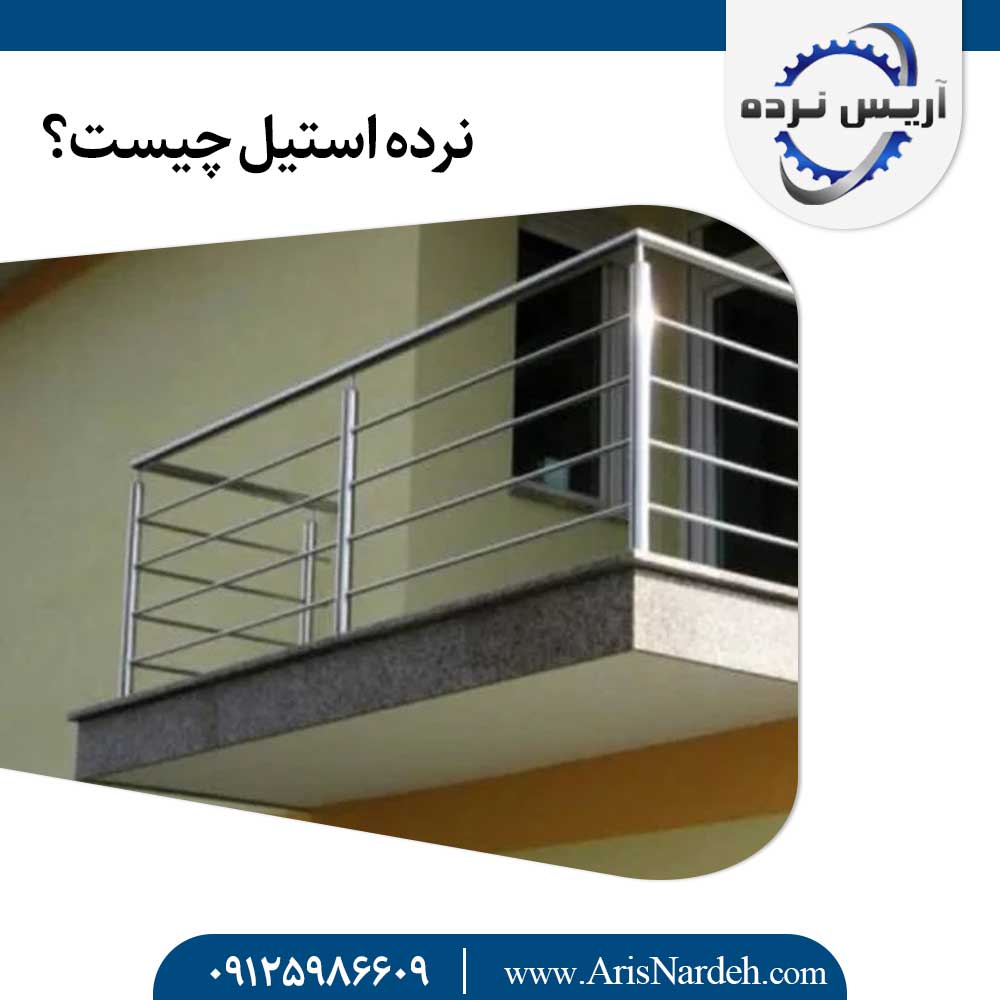
- - Purchase of materials: After the design, the necessary materials must be purchased. In case of domestic production, you can directly negotiate with steel factories and supply the materials yourself. Also, if necessary, request suitable analogues from steel parts manufacturing factories.
You can consult our experts for design advice Call Get.
- Cutting and shaping: After purchasing the materials, cut the steel pieces to the appropriate size. This operation is performed using cutting and shaping machines.
- Welding: Steel parts are welded together using the welding method.
- Polishing: After welding, the parts must be polished to obtain a perfectly smooth matt surface.
- Painting: If necessary, the parts are painted with the appropriate color.
- Installation: Finally, the prepared parts are transported to the installation site.
The advantage of stainless steel railing is meaningful when the material and its execution are suitable for the location. The possibility of matte or glossy finishing and combining with glass creates a variety of appearance choices. On the other hand, water stains, iron contamination and improper maintenance can change the appearance of the surface; therefore, receiving a cleaning order is part of the job delivery.
Short answer about stainless steel railing?
Stainless steel railing is a set of base, handle, filler and connection to the building. To choose one, first determine the intended use and appearance; then compare the grade, thickness, finish, and method of fastening in a written specification.
What specifications should we ask for from a stainless steel railing seller?
| Topic | What to check? | Required output |
|---|---|---|
| User | Stairs, balcony, window or pool | Determine the actual needs of the site |
| Alloy | Grade and traceable certificate | Suitability for environmental conditions |
| Components | Section, Thickness and Finish of Parts | Ability to compare offers |
| Connection | Type of restraint and installation range | Clarifying the responsibility for implementation |
Practical questions
Is stainless steel railing recognizable only by appearance?
The glossy or matte appearance does not prove the actual grade and thickness. Check the written specifications and material documents.
Is stainless steel 304 enough for all environments?
It cannot be ruled out that they are the same. Humidity, chloride and storage conditions affect the choice of grade.
Why do two similar railings have different prices?
Differences may be in thickness, alloy, quality of connection, finish and installation services; compare identical specifications.
Next steps and related guides
Technical source for further reading: Corrosion properties of stainless steel — worldstainless. The details of each system should be reviewed for the specific project.
2 Responses to "What is stainless steel railing?"
[...] Architecture cable railing stainless steel hardware and cable connections stainless steel railing 304 and 201 stainless steel railings stainless steel bank ladders stainless steel pool case studies and [...]
[...] Architecture cable railing stainless steel hardware and cable connections stainless steel railing 304 and 201 stainless steel railings stainless steel bank ladders stainless steel pool case studies and [...]