
Black Cable Railing: A Comprehensive Guide to Design, Installation, and Applications
Introduction: Why black cable railing?
Black cable railing may describe the color of the cable, the frame, or both. In the sample and price quotation, specify which component is covered, what is the method of repair, and how the appearance of the connections will coordinate with the frame.
Black cable railing is a popular option in modern interior and exterior architecture. Black steel cables combined with metal or timber posts can support protection while giving spaces a distinctive appearance. It can be an option when seeking function, a refined appearance and durability. This article explores the system's definition and background, types, benefits, installation, maintenance and design ideas. It also reviews comparison criteria and the information needed to request a quotation.
What is black cable railing?
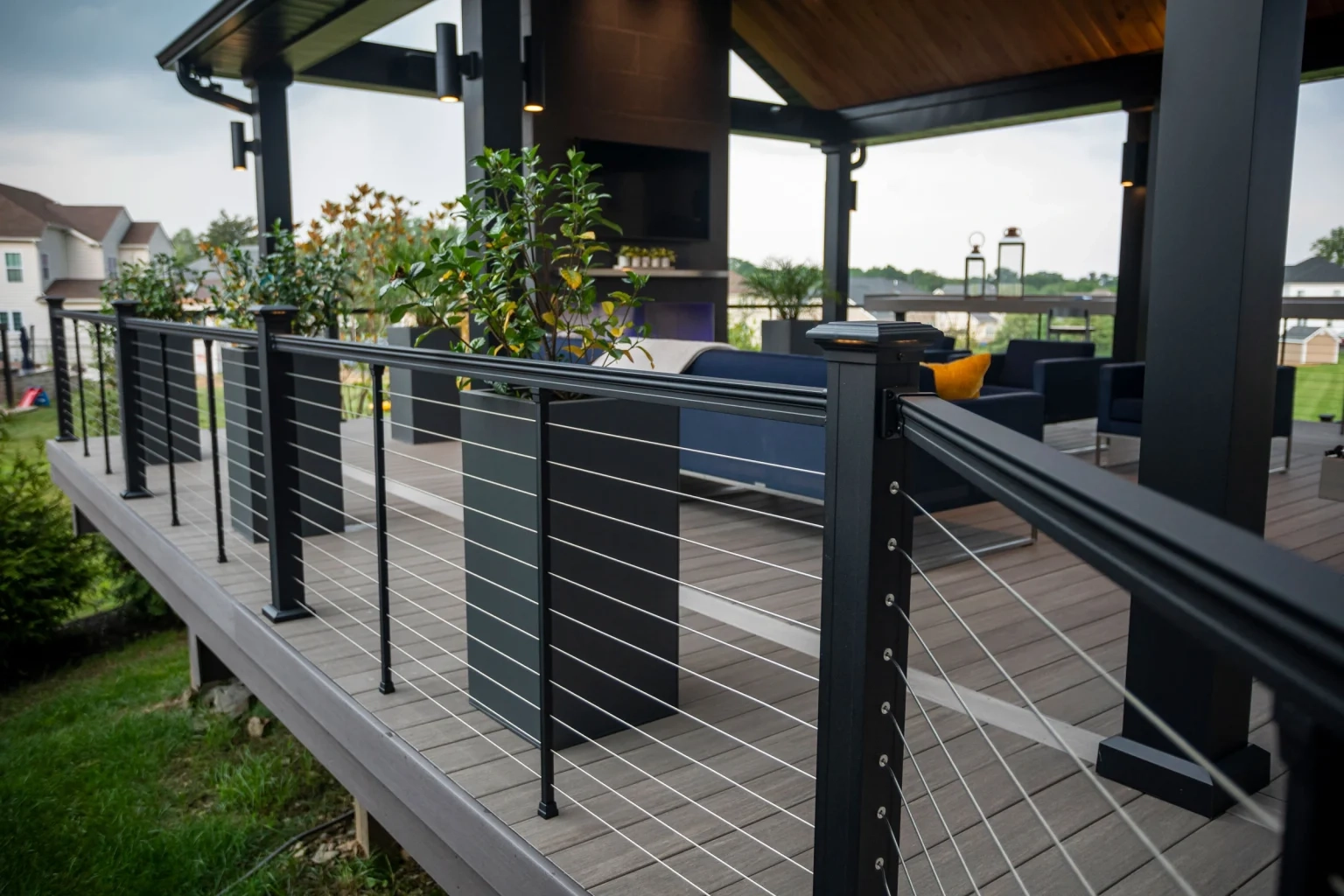
Black cable railing is a system made of stainless or galvanized steel cables with a black coating and vertical or horizontal bars. Instead of using solid panels or closely spaced bars, these railings use cables that are installed at a certain distance and connected to the bars by special connectors. The black color of these railings, whether through powder coating or oxidation, gives them a stylish and modern look that is compatible with a variety of interior and exterior decoration styles. These railings are usually used for stairs, balconies, terraces and even commercial spaces such as restaurants and hotels.
See color sample with technical specifications
| Topic | Required information | Purpose of the study |
|---|---|---|
| Base material | Grade and thickness of the undercoat | Color alone does not determine the material of the piece |
| Coating and finishing | Color creation method and actual sample | Matching appearance in local light |
| Maintenance | Cleaning instructions and repairability | Anticipating appearance change and repair |
Adapt the specifications to the actual conditions of the site and clarify the items of construction, transportation, installation and finishing work in the price quote.
Learn more: What is stainless steel railing?, How to restore dull stainless steel railings
A Brief History of Cable Railings
Cable railings have their roots in industrial and marine design. On ships and docks, steel cables were used to create protection because they were both strong and lightweight. Over time, the idea found its way into residential and commercial architecture. In recent decades, with the advancement of coating and painting technology, cable railings have entered the market in a variety of colors, including black, and have quickly gained popularity. Black has become one of the most popular options due to its ability to match modern decor and its ability to hide dirt and dust.

Main components of black cable railing
To help you better understand black cable railing, let's examine its main components:
- Posts: These are the vertical or horizontal columns that hold the cables. The posts can be made of iron, stainless steel (304 or 316), aluminum or even wood. In black cable railing, these posts are usually electrostatically or powder-coated black to match the cables.
- Cables: Cables are the heart of cable railings. These cables are made of stainless steel or galvanized steel and are usually between 5 and 10 mm in diameter. The black color is applied either through an oxidation process or with a powder coating that has high resistance to rust and scratches.
- Fittings: These parts include turnbuckles, nuts, brushes, and clamps that are used to install and adjust the tension of the cables. These fittings are also usually made of stainless steel and are matched with the black color to create a unified look.
Types of Black Cable Railing
Black cable railings are divided into different categories based on the direction of the cables and the material: Horizontal cable railing: This type is more common and the cables are stretched horizontally between the bars. It is very suitable for stairs, balconies and terraces because it keeps the view open and its installation is relatively simple. Vertical cable railing: In this model, the cables are installed vertically. This type is suitable for places that need more privacy or a special design, but its installation is more complicated and requires a stronger infrastructure. Iron cable railing: It is made of iron profiles (such as 40×40 mm) and galvanized cables with a diameter of 5 or 8 mm. Black paint is usually applied with an electrostatic method, which is very durable. Stainless steel cable railing: Uses 304 or 316 stainless steel and stainless steel cables. This model is great for wet environments such as beaches because it does not rust and requires little maintenance. Wooden cable railing: A combination of iron or stainless steel rods with a wooden handle (such as beech or walnut) and black cables. This model is very attractive for luxury and classic spaces. Aluminum cable railing: Light, resistant and with a black finish, ideal for modern and lightweight projects.
Advantages of black cable railing
Why should you choose black cable railing? Let's see its advantages in detail:
- Modern beauty and design: Black cable railing with its simple and minimalist lines gives any space a modern and stylish feel. Black color easily matches various decorations, from industrial to classic.
- Low maintenance: Unlike wooden railings that require constant painting and repair, black cable railings can be kept looking like new with a simple cleaning with soap and water. The black coating also makes dust and dirt less noticeable.
- Open view: One of the biggest advantages of cable railing is that it does not restrict the view. If you have a balcony or terrace with a beautiful view, this railing allows you to enjoy the view without anything blocking your eyes.
- High security: Steel cables are flexible and at the same time very strong. The standard distance between the cables (usually 11 cm) makes it safe for children and pets.
- Resistance to weather conditions: Whether you are in humid coastal areas or in dry places, black cable railing with the right coating is resistant to rust and wear.
Possible disadvantages of black cable railing
Every product has its drawbacks, and black cable railings are no exception: Initial cost: Installing black cable railings is usually more expensive than traditional railings such as simple iron railings, because the raw materials (such as stainless steel) and fittings are more expensive. Professional installation required: For the railing to be both safe and beautiful, it must be installed by professionals. Incorrect installation can lead to loose cables or reduced safety. Possibility of loose cables: Over time, the cables may become slightly loose and need to be readjusted, although this problem can be solved with regular maintenance.

Installation process of black cable railing
Installing black cable railing is a multi-step process that requires precision and the right tools. Here I will explain the steps step by step: 1. Planning and design: First, you need to determine where the railing is going to be installed and what its dimensions are. The number of bars, their spacing, and the direction of the cables (horizontal or vertical) must be specified. Be sure to check local safety standards. 2. Installing the bars: The bars are installed at a maximum distance of 4 feet (about 120 cm). This distance prevents the cables from becoming too loose. The bars are attached to the surface with screws and dowels or welded. 3. Making holes: If you are using a transit system, holes must be made in the bars for the cables to pass through. This is done with a drill and precision tools. 4. Pulling the cables: The cables are pulled from one end to the other. For horizontal railings, the cables go from one bar to the next, and for vertical railings, they are installed from top to bottom. 5. Tensioning the cables: Using tensioners (Turnbuckles), the cables are tightened so that they do not sag. This step is very important because insufficient tension can reduce safety. 6. Final fixation: All connections, nuts and bolts are tightened to make the railing completely stable. For installation, it is recommended to seek the help of a professional team to ensure that everything goes according to standards. An important rule to follow when installing cable railing is the "4-inch ball" (10 cm) rule, which states that the distance between the cables should not be more than this so that nothing can pass through it.
Maintaining and caring for black cable railing
Maintaining black cable railing is not very complicated, but by following a few simple tips, you can extend its life:
- Regular cleaning: Clean the surface of the railing with a soft cloth and a mild soap and water solution. Do not use harsh chemicals or rough sponges as this may damage the black finish.
- Check for Rust: Check the cables and connections every few months for rust or wear. If there is any damage, repair it immediately.
- Adjusting the tension of the cables: If you feel that the cables are loose, retighten them with a tensioning tool. This is usually enough once a year.
- Moisture protection: In humid areas, use special metal protective sprays to keep the black color and the cables themselves intact.
Black cable railing applications
Black cable railing is used in various places due to its flexibility and beauty: Indoor stairs: For modern stairs, combining black cable railing with wooden handrails is a luxurious and attractive choice. Balconies and terraces: In villas or apartments with views, this railing keeps the view open and also provides safety. Decks and patios: In open spaces such as the yard or by the pool, black cable railing is both stylish and durable. Commercial spaces: Restaurants, cafes and hotels use this railing to create a modern and safe space.
Design Ideas with Black Cable Railing
Want to make black cable railing stand out in your space? Try these ideas: Combine with wood: A natural-colored wooden railing next to black cables creates a beautiful contrast. Lighting: Installing LED lights under the railing or next to the bars makes the railing stand out at night. Combine with glass: In some designs, black cable railing is combined with glass panels, which is both more modern and safer. Using complementary colors: Black looks great with neutral colors like white or gray in your decor.
Price of black cable railing
The price of black cable railing depends on various factors: -Material type: Stainless steel railing is more expensive than iron, and the combination of wood and metal is also more expensive. Area: The longer the railing, the higher the cost of materials and installation. Installation type: Horizontal installation is easier and cheaper than vertical installation. Connections: Higher quality connections (such as stainless steel 316) increase the price.
Short answer about black cable railing
Cable diameter and construction, post spacing, end connections and tension control must be considered together. Supporting structure and user safety, particularly the climbability of horizontal cables for children, influence system selection.